 Google [GOOG] have added a new feature to Youtube that automatically ads captions to videos by using speech to text technology.
The technology used works with the same algorithms that Google Voice uses and converts the text in to text at the bottom of the video. The feature is designed for those who are hard of hearing or those who do not have sound enabled on their PC.
As of now the service is just a trial and only available on certain educational channels as well as the Google channels. If it proves to be successful enough then I suspect it will be rolled out to all videos eventually. [Read more…]
 Microsoft [MSFT] have now released the Microsoft Surface Software Development Kit (SDK) for all who want it. The download is 144.2MB in size and can be downloaded right now.
 Yesterday, Google [GOOG] introduced a new operating system called Google Chrome OS. We have heard a few things about it over the last few months, but now it has been officially displayed. The idea behind Chrome OS is that most users switch on their computer and want to go online to get email, check Facebook, browse websites, search for jobs, go shopping and perhaps play games while chatting to friends and listening to music etc… with other programs not getting as much use, if any at all. Perhaps the web browser is the most important and most used program on a computer in Google’s words.
 Samsung have announced the launch of a new portable multimedia player called the Samsung YP-R0. The device has a 2.6 inch colour LCD screen and comes with either 4GB or 8GB of storage depending on the model you choose. By using a microSDHC memory card the storage can be increased by a further 16GB.
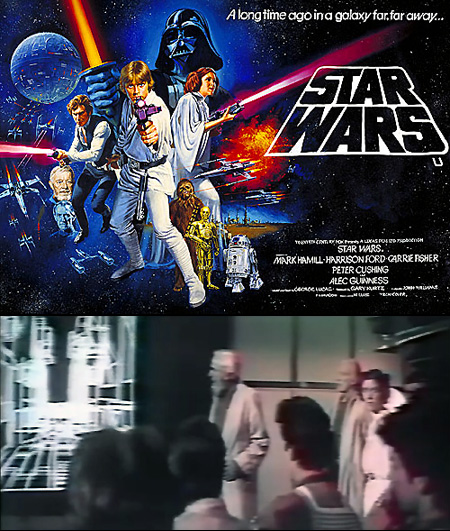 If you remember the graphics from Star Wars IV then this cool video shows you almost exactly how they were made. The graphics were created by Larry Cuba in the 70’s over at the Electronic Visualization Laboratory (EVL) in Illinois, Chicago.
 Apple [AAPL] are apparently already working on the next update to OS X which for now we’ll assume it’s called 10.7. The rumour started because of someone tracking down a database of changes to open source launchd framework which mentions a different error referencing a Mac OS X build number.
 NEC have announced that they are working on a new type of remote control that can convert small amounts of vibrations in a remote control caused by button pressing in to enough power to create an infra-red signal to control a TV. The system doesn’t require batteries because the energy created is enough to keep the remote powered.
 If you are one of the 186,000 residents of Swindon in the UK, you’ll soon have free public wireless internet access. The service is to launch in April 2010 and will be supplied by 1,400 secure access points that have a lot higher performance than regular wireless routers found in the home.
 Last week we mentioned that
  Over the last few years you will have probably seen a number of reports that show batteries in laptops exploding causing a few flames, lots of damage and a totally unusable laptop. Engineers in Korea might have actually fixed this problem by working on a new separator technology that shields parts of the battery that can explode when high temperatures are reached.
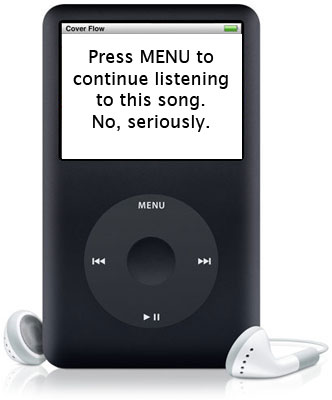 Reports of a new approved patent that Apple [AAPL] filed have been found recently. The patent discusses ads which require users to interact with a device by perhaps acknowledging they have read the ad, or performing some action. NYT seems to think it will take us back 10 years by forcing ads upon a user, but on the other hand, Fake Steve Jobs indicates we could look at it a different way in that users pay a small nominal fee for watching TV for example… ad free.
 Microsoft have confirmed that a vulnerability now exists in Windows 7 that was officially launched just last month. The fix is quite easy in that you just need to block a couple of ports on your firewall to prevent an exploit of the Server Message Block (SMB). As well as causing problems for Windows 7 users, those who use Windows 2008 R2 also have this problem.


