 Rayqual has announced that a range of adapters is launching for the Sony NEX-3 and Sony NEX-5 cameras that will allow Leica, Nikon and Canon lenses to be used on the new Sony cameras.
Lens adapters for 35mm SLRs don’t really work well as the extra thickness pushes the lens forward and prevents it from focusing at infinity (you can still shoot close up, though. In fact, macro-extension tubes exploit this focus shift to do their job). But there is a good inch of room to play with on mirrorless cameras, so the adapters work well. I use one on a Panasonic GF1 to attach Nikon lenses. You lose auto-focus, but otherwise it works great.
 The
The  The
The 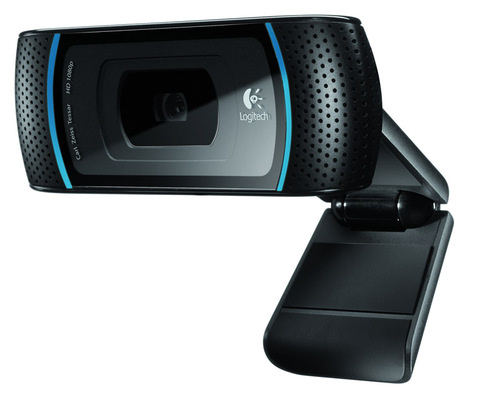 The Logitech Vid software is getting an update that will allow you to make calls with 720p HD webcams. As well as updating the software, Logitech is also launching four new HD wecams that will work with the Vid software.
 GoodandEvo has reviewed the Magnetic Macro Lens for the HTC EVO 4G. The magnetic macro lenses are capable of attaching to the back of a camera phone, in this case a HTC EVO 4G, and allow macro shots to be captures.
 Sony has announced two new digital SLR cameras in the Alpha range called the A290 and the A390. Each has a 14.2 megapixel sensor along with a 2.7 inch tilt LCD screen with quick AF Live View. A HDMI output is also included on both cameras.
 A few weeks back, Sony announced a couple of new cameras called the Sony NEX-3 and the Sony NEX-5. Both cameras looked very impressive. Each uses the Micro Four Thirds format making both cameras very compact.
 The Aiptek 3D camcorder is a budget camera that when launched will cost around $200.
 For those of you wanting to add a light weight Aerial Camera to your RC plane, check out this model. The camera and mounting bracket weigh 27 grams allowing the plane to comfortably fly without too much extra weight.
 Samsung has announced a new hybrid Digital SLR camera called the Samsung NX5. The NX5 is a lower spec model than the Samsung NX10 allowing it to have a lower price tag.
 Check out the amazing video below that shows six weeks of shuttle launch preparation squashed in to a 4 minute time lapse video.


